
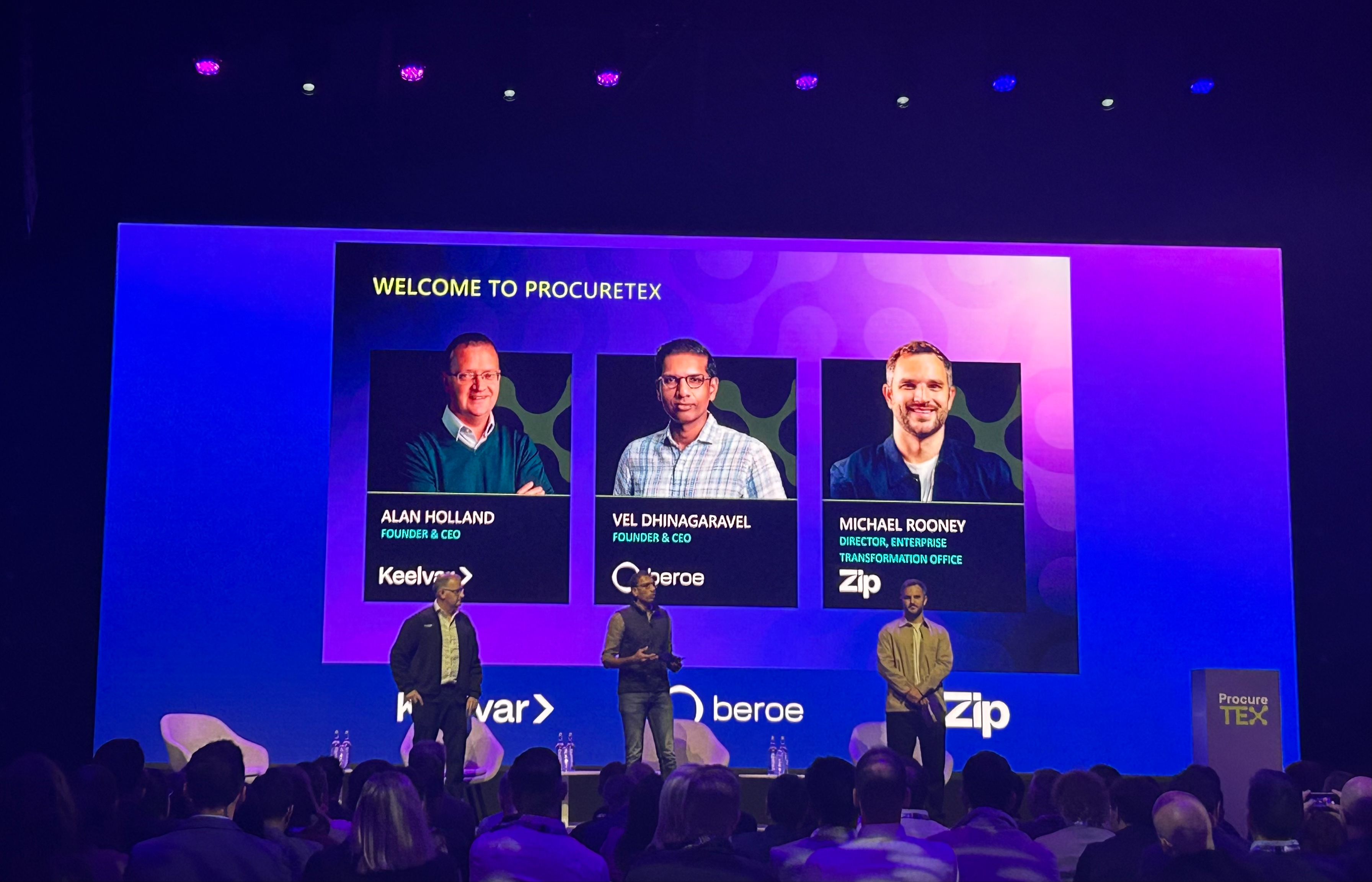
Inside the lovely Circa in Amsterdam, the atmosphere on November 3rd was a deliberate departure from conventional corporate trade shows. 200 leaders across procurement, supply chain, and digital transformation gathered under one dome. The objective was clear from the start: strip away industry buzzwords, bypass paid commercial pitches, and confront the operational realities of modern enterprise procurement.
Founded as a joint partnership between Keelvar, Zip, and Beroe, ProcureTEX returned for its second year with a sharpened mission. By replacing the traditional vendor exhibition hall with a collaborative, peer-first environment, the founding partners created a space dedicated entirely to practical problem-solving.
ProcureTEX stands apart because of how the room is assembled. In an industry where stage presence is frequently bought, this event strictly enforces a no pay-to-play model. Every speaking session and breakout is vetted for technical depth and field-tested experience. Speakers were selected not for job titles or sponsorship dollars, but for their ability to share candid successes and real friction points.
Equally central is the philosophy that modern enterprise procurement cannot be solved by a monolithic suite. The entire agenda reinforced the power of a connected, best-of-breed technology ecosystem. Participating solution providers joined by invitation only, having demonstrated proven enterprise scale, reliability, and above all, seamless interoperability.
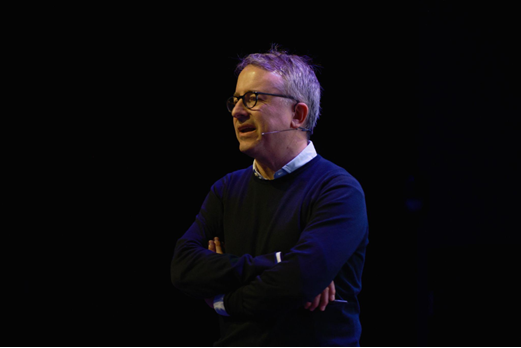
Independent analyst Benedict Evans opened the morning by cutting through current market hysteria, framing AI not as magic, but as the latest fundamental platform shift following mainframes, PCs, the web, and mobile. Evans pointed out that while foundational model labs face extreme capital expenditure and commoditizing price wars, value consistently migrates up the stack to the deployment and product layers.
Using historical precedents like VisiCalc and grocery barcodes, Evans illustrated that enterprise transformation never happens by simply handing employees a new desktop tool or copilot. Real disruption occurs when organizations rethink workflows, operate at higher levels of abstraction, and move from asking systems for raw data queries to letting automated intelligence reveal root-cause operational insights.
Key takeaways from Benedict Evans:
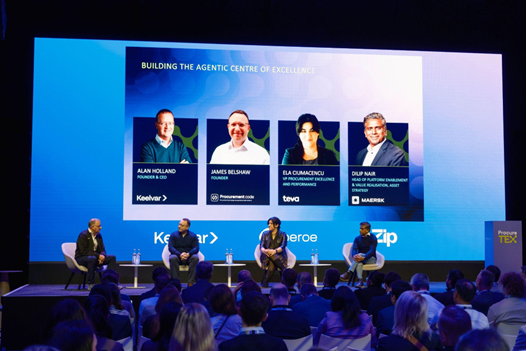
Other sessions throughout the morning maintained this relentless focus on practical mechanics:
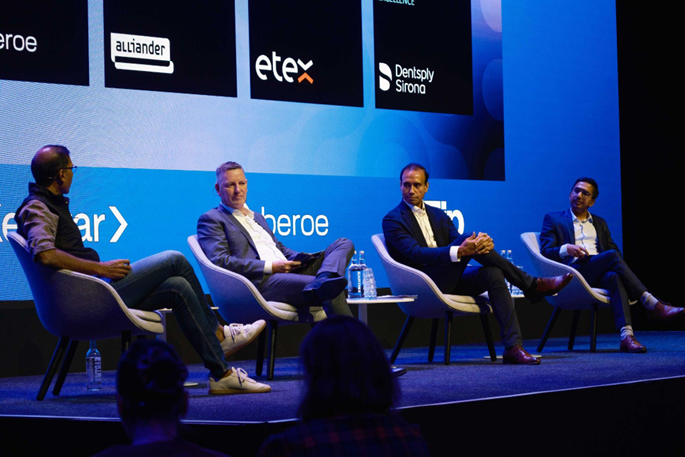
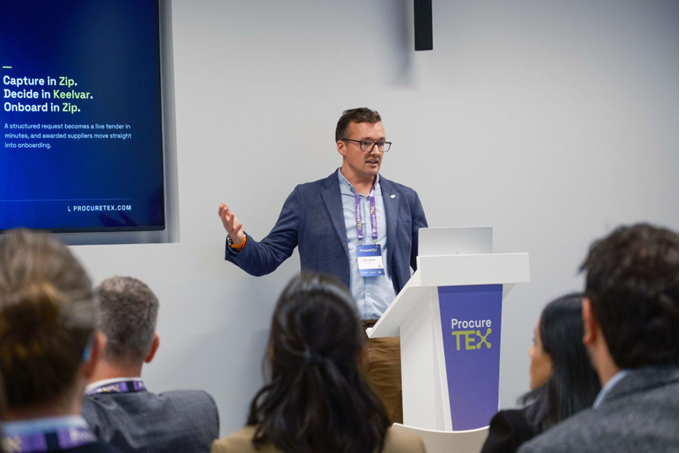
The defining technical highlight of the afternoon was the live demonstrations and workshops. Instead of relying on pre-recorded software click-throughs or theoretical architecture diagrams, attendees watched best-of-breed platforms run live scenarios side by side.
Engineering and product specialists demonstrated how intake orchestration, market intelligence, and automated sourcing engines pass data across APIs in real time to resolve complex category disruptions. The live workflows provided visible proof that specialized tools can integrate dynamically without forcing teams into closed proprietary ecosystems.
“The best sessions for me have been workshops where you can talk to other people, other leaders, share ideas, and really think about the future of procurement.”
— James Belshaw, Procurement Code
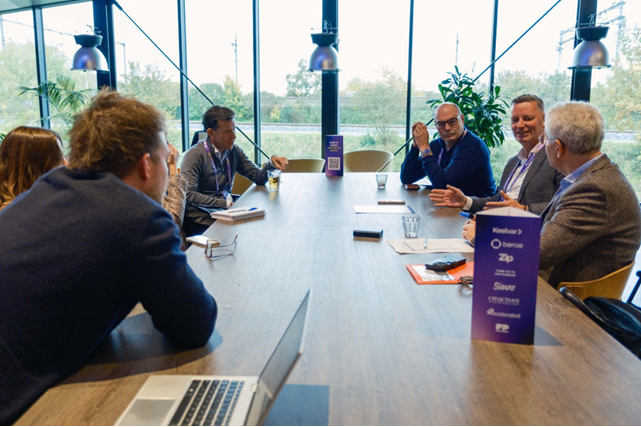
While live demonstrations ran on one track, the afternoon also held closed-door Practitioner Circles and working sessions. Restricted exclusively to practitioners, these small-group roundtables created a confidential environment to discuss the realities of change management, internal stakeholder resistance, and operating model redesign.
Alongside these working groups, the new CPO track brought executive leaders together to address higher-level strategic governance. Discussions moved between board-level sustainability reporting, balancing cost containment against supply risk, and positioning procurement as an agile value center amid persistent global volatility.
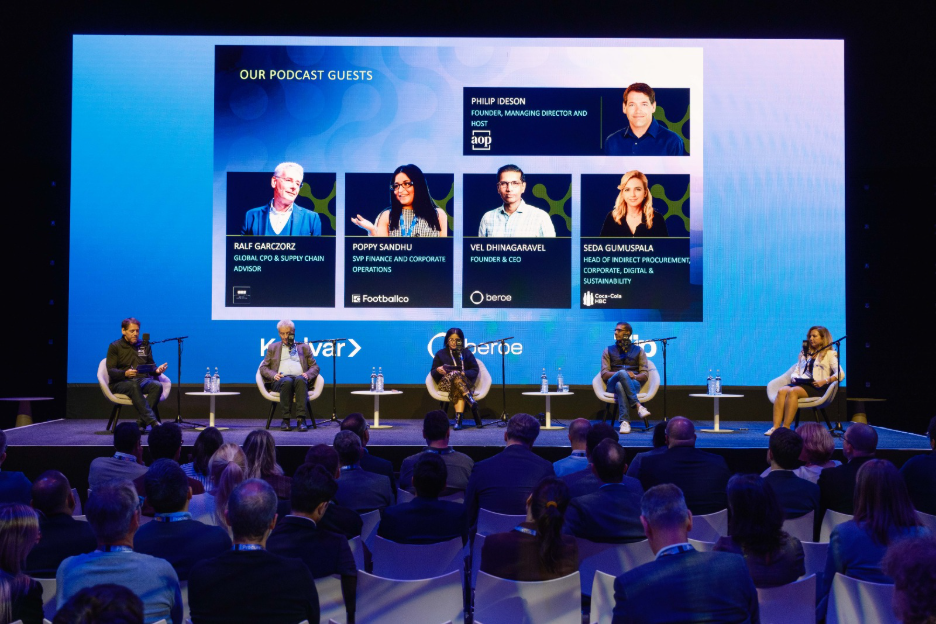
The day wrapped up with a live podcast recording hosted by Art of Procurement. Featuring Poppy Sandhu, SVP Finance and Corporate Operations, Footballco; Ralf Garczorz, Former 4x CPO; Vel Dhinagaravel of Beroe, Seda Gumuspala Eceli, Head of Indirect Procurement, Corporate, Digital and Sustainability, Coca-Cola HBC, the panel had a lively debate about what builds strong CPO/CFO/COO partnership and where friction remains. Check back in for the recording soon!
ProcureTEX 2026 proved that the procurement conversation has fundamentally shifted. Practitioners are moving away from all-in-one promises and turning toward specialized, high-performing systems that talk to one another.
The core conclusions echoing through Circa centered on three practical realities:
“The takeaway for me was how much Procurement continues to evolve, and how many of us are working through similar challenges around data, AI, technology, decision-making and people, yet have so much to learn from one another.” ~ Aneesh Venkataraman, Director Procurement Excellence, Dentsply Sirona
By focusing on real engineering, validated case studies, and transparent peer dialogue, Keelvar, Zip, and Beroe demonstrated the value of community-first collaboration. The discussions held in Amsterdam set a high benchmark for operational excellence, and the momentum from Circa is already laying the groundwork for what this community will accomplish next.
Couldn't make it? Join the waitlist for the next one